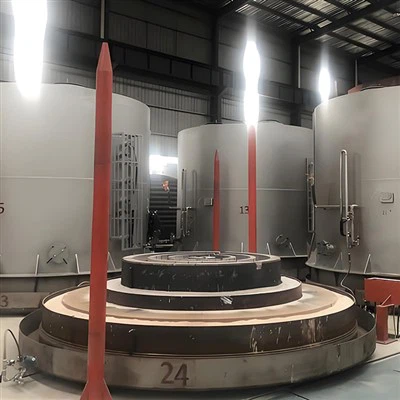
Transporting an annealing furnace safely is a complex and critical task that requires careful planning, specialized equipment, and experienced personnel. As a leading annealing furnace supplier, we understand the importance of ensuring that these valuable and delicate pieces of equipment reach their destination in perfect condition. In this blog post, we will share some essential tips and best practices on how to transport an annealing furnace safely.
Pre - Transport Planning
1. Inspection and Assessment
Before any transportation takes place, a thorough inspection of the annealing furnace is necessary. This includes checking for any pre - existing damage, loose parts, or malfunctioning components. We recommend creating a detailed inventory of all the parts and features of the furnace. This inventory will serve as a reference during the transportation process and can help in quickly identifying any missing or damaged items upon arrival at the destination.
For example, if you are dealing with an Aluminum Annealing Furnace, you need to pay special attention to the heating elements, temperature sensors, and the lining of the furnace chamber. These components are often sensitive and can be easily damaged during transit.
2. Disassembly (if required)
In some cases, it may be necessary to disassemble the annealing furnace into smaller, more manageable parts for transportation. This is especially true for large - scale furnaces such as Pit Type Annealing Furnace. When disassembling, it is crucial to follow the manufacturer's guidelines carefully. Label all the parts clearly and keep a record of how they are removed. This will make the reassembly process much easier and less error - prone.
Each part should be stored in a suitable container or crate to prevent damage. For example, electrical components should be stored in anti - static bags, and glass or ceramic parts should be wrapped in bubble wrap or foam.
3. Selecting the Right Transportation Method
The choice of transportation method depends on several factors, including the size, weight, and destination of the annealing furnace. For local or short - distance transportation, a flatbed truck may be a suitable option. However, for long - distance or international shipments, shipping by sea or air may be required.
If shipping by sea, make sure to choose a reliable shipping company with experience in transporting heavy and oversized equipment. They should have the necessary permits and insurance to cover the value of the furnace. When shipping by air, consider the weight and size restrictions of the airline and the additional handling requirements.
Packaging
1. Protective Materials
Proper packaging is essential to protect the annealing furnace during transportation. Use high - quality protective materials such as foam, bubble wrap, and wooden crates. The foam can be used to cushion the delicate parts of the furnace, while the bubble wrap provides an additional layer of protection against scratches and minor impacts.
Wooden crates are ideal for protecting the furnace from external forces during transit. The crate should be sturdy enough to withstand the rigors of transportation and should be designed to fit the furnace snugly. Make sure to seal the crate properly to prevent moisture and dust from entering.
2. Securing the Furnace in the Package
Once the furnace is placed in the crate, it needs to be secured firmly to prevent movement during transportation. Use straps, bolts, or other fastening devices to hold the furnace in place. The goal is to minimize any shifting or vibration that could potentially damage the furnace.
For example, if you are transporting a Rapid Annealing Furnace, which may have high - speed heating elements, it is crucial to secure these elements properly to prevent them from being dislodged.
Loading and Unloading
1. Professional Handling
Loading and unloading the annealing furnace should be done by trained and experienced personnel. They should be familiar with the proper techniques for handling heavy and oversized equipment. Use appropriate lifting equipment such as cranes, forklifts, or hoists to ensure safe and efficient loading and unloading.
Before lifting the furnace, make sure that the lifting points are correctly identified and that the equipment is rated to handle the weight of the furnace. Improper lifting can cause serious damage to the furnace and pose a safety risk to the workers.
2. Safety Precautions
During the loading and unloading process, safety should be the top priority. Workers should wear appropriate personal protective equipment (PPE) such as hard hats, safety glasses, and steel - toed boots. The area around the loading and unloading site should be clear of any obstacles, and traffic should be controlled to prevent accidents.
Transit Monitoring
1. Tracking Systems
If possible, use a tracking system to monitor the location and condition of the annealing furnace during transit. This can provide real - time information about the progress of the shipment and help in quickly identifying any potential issues.
Some tracking systems can also monitor environmental conditions such as temperature, humidity, and vibration. This is especially important for annealing furnaces, as extreme environmental conditions can affect their performance and durability.
2. Communication with the Carrier
Maintain regular communication with the carrier during the transportation process. They can provide updates on the status of the shipment and inform you of any delays or problems. If there are any issues, work with the carrier to find a solution as quickly as possible.


Reassembly and Testing
1. Reassembly
Once the annealing furnace arrives at its destination, it needs to be reassembled according to the manufacturer's instructions. Follow the disassembly record to ensure that all the parts are installed correctly. This may require the expertise of a professional technician, especially for complex furnaces.
2. Testing
After reassembly, conduct a thorough testing of the annealing furnace to ensure that it is functioning properly. Check the temperature control, heating elements, and other critical components. Any issues should be addressed immediately to avoid any production delays or safety hazards.
Conclusion
Transporting an annealing furnace safely requires a comprehensive approach that includes pre - transport planning, proper packaging, professional handling, transit monitoring, and reassembly and testing. As a trusted annealing furnace supplier, we are committed to providing our customers with the best possible support throughout the transportation process.
If you are in the market for an annealing furnace or need assistance with transporting an existing furnace, we invite you to contact us for a detailed consultation. Our team of experts will be happy to help you with all your annealing furnace needs.
References
- "Industrial Furnace Handbook: Principles, Design, and Operation" by Peter W. K. Fong
- "Transportation of Heavy and Oversized Equipment: Best Practices" by American Society of Transportation Engineers