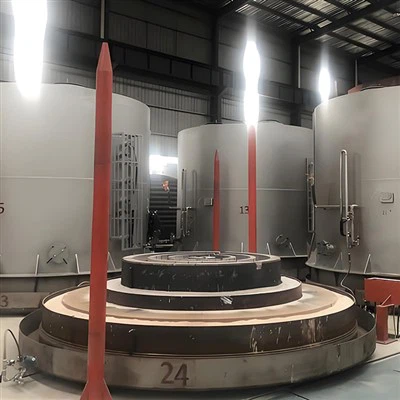
Upgrading an old aging furnace can be a strategic move for businesses aiming to enhance efficiency, reduce energy consumption, and improve product quality. As an established aging furnace supplier, I've witnessed firsthand the transformative impact of well - executed furnace upgrades. In this blog, I'll share a comprehensive guide on how to upgrade an old aging furnace.
Step 1: Assessment of the Current Furnace
Before deciding on any upgrade, a thorough assessment of the existing aging furnace is crucial. Examine the furnace's age, current condition, and performance metrics. Look for signs of wear and tear, such as damaged insulation, faulty heating elements, or malfunctioning control systems. Check the temperature uniformity across the furnace chamber. Inconsistent temperatures can lead to uneven aging of materials, affecting the quality of the final product.
Also, review the energy consumption of the furnace. High energy bills may indicate inefficiencies in the system. Analyze the historical maintenance records to understand recurring problems and areas that need immediate attention. This assessment will help you identify the specific areas that require upgrading and set clear goals for the project.
Step 2: Define Upgrade Objectives
Based on the assessment, define your upgrade objectives. Are you looking to improve energy efficiency, increase production capacity, enhance temperature control, or comply with new industry regulations? Clearly articulating your goals will guide the selection of appropriate upgrade solutions.
For example, if energy efficiency is your primary concern, you might focus on upgrading the insulation or replacing the heating elements with more energy - efficient models. If increasing production capacity is the goal, you could consider upgrading the furnace size or improving the loading and unloading mechanisms.
Step 3: Research Upgrade Options
Once you have your objectives in place, it's time to research the available upgrade options. There are several areas where you can make improvements to an old aging furnace.
Insulation Upgrade
One of the most effective ways to improve energy efficiency is by upgrading the furnace insulation. Older furnaces often have insulation that has degraded over time, leading to heat loss. Modern insulation materials, such as ceramic fiber blankets or refractory bricks, offer better thermal performance and can significantly reduce energy consumption. A well - insulated furnace also helps maintain a more stable temperature inside the chamber.
Heating Element Replacement
Heating elements are a critical component of an aging furnace. Over time, they can wear out, leading to reduced heating efficiency and uneven temperature distribution. Consider replacing the old heating elements with newer, more efficient models. For example, silicon carbide or molybdenum disilicide heating elements offer faster heating rates and better temperature control.
Control System Upgrade
An outdated control system can limit the furnace's performance and make it difficult to achieve precise temperature control. Upgrading to a modern programmable logic controller (PLC) or a digital temperature controller can provide more accurate temperature regulation, better process monitoring, and the ability to store and recall multiple heating profiles. This can improve product quality and reduce the risk of over - or under - aging.
Air Circulation Improvement
Proper air circulation is essential for uniform temperature distribution inside the furnace. Upgrading the fans or adding baffles can enhance air movement, ensuring that all parts of the load are exposed to the same temperature. This can lead to more consistent aging results and improved product quality.
As an aging furnace supplier, we offer a range of upgrade options for different types of aging furnaces, including the Pit Type Aluminum Alloy Aging Furnace, Aluminum Aging Furnace, and Box Type Aging Furnace.
Step 4: Evaluate Costs and Benefits
Before making a final decision on which upgrades to implement, evaluate the costs and benefits of each option. Consider the upfront costs of the upgrade, including the cost of materials, labor, and any downtime required for installation. Also, factor in the long - term savings in energy costs, improved product quality, and increased production capacity.


Create a cost - benefit analysis for each upgrade option to determine which ones offer the best return on investment. For example, upgrading the insulation may have a relatively low upfront cost but can result in significant energy savings over time. On the other hand, upgrading the control system may be more expensive but can lead to improved product quality and reduced scrap rates.
Step 5: Select a Reliable Supplier and Installation Team
Choosing a reliable supplier and installation team is crucial for a successful furnace upgrade. Look for a supplier with a proven track record in aging furnace upgrades and a wide range of high - quality products. A good supplier should be able to provide technical support, installation services, and after - sales support.
When selecting an installation team, ensure that they have the necessary experience and expertise in working with aging furnaces. They should be familiar with the specific upgrade options you've chosen and be able to install them correctly to ensure optimal performance.
Step 6: Installation and Testing
Once you've selected the supplier and installation team, schedule the installation. The installation process should be carefully planned to minimize downtime. The installation team should follow all safety procedures and industry standards during the upgrade.
After the installation is complete, conduct thorough testing of the upgraded furnace. Check the temperature uniformity, heating rate, and energy consumption. Verify that the control system is functioning correctly and that all safety features are operational. Make any necessary adjustments to ensure that the furnace meets your upgrade objectives.
Step 7: Training and Maintenance
Provide training to your operators on how to use the upgraded furnace effectively. They should be familiar with the new control system, loading and unloading procedures, and safety protocols. Proper training can help maximize the benefits of the upgrade and prevent costly mistakes.
Establish a regular maintenance schedule for the upgraded furnace. Regular maintenance, such as cleaning the heating elements, checking the insulation, and calibrating the control system, can extend the lifespan of the furnace and ensure its continued optimal performance.
Conclusion
Upgrading an old aging furnace is a complex but rewarding process. By following these steps, you can improve the efficiency, performance, and reliability of your furnace, leading to cost savings, improved product quality, and increased competitiveness in the market.
If you're considering upgrading your aging furnace, we're here to help. As an experienced aging furnace supplier, we have the expertise and products to meet your specific upgrade needs. Contact us to discuss your requirements and explore the best upgrade solutions for your business.
References
- ASM Handbook: Heat Treating. ASM International.
- Industrial Furnaces: Principles, Design, and Operation. Various industry publications.
- Manufacturer's manuals and technical documents for aging furnaces.