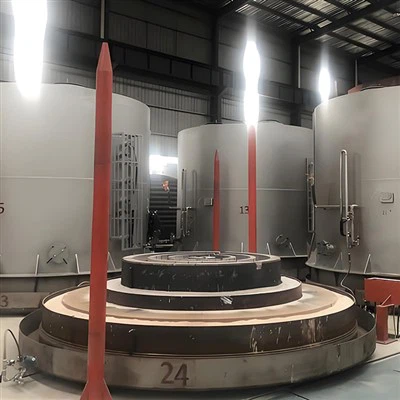
What are the installation requirements for a Box Annealing Furnace in a workshop?
As a supplier of Box Annealing Furnaces, I understand that proper installation is crucial for the efficient and safe operation of these industrial heating units. In this blog post, I will discuss the key installation requirements for a Box Annealing Furnace in a workshop.


1. Site Selection
The first step in installing a Box Annealing Furnace is to choose an appropriate site within the workshop. The site should meet the following criteria:
- Space Requirements: The furnace requires sufficient space for installation, operation, and maintenance. Make sure there is enough clearance around the furnace for easy access to all components, including the control panel, heating elements, and doors. A general rule of thumb is to allow at least 1 - 2 meters of clearance on all sides of the furnace.
- Floor Strength: The floor must be able to support the weight of the furnace, including the load it will carry during operation. Box Annealing Furnaces can be quite heavy, especially when fully loaded with workpieces. Check the floor's load - bearing capacity and reinforce it if necessary.
- Ventilation: Adequate ventilation is essential to remove heat, fumes, and gases generated during the annealing process. The site should be located near an exhaust system or have provisions for installing one. The ventilation system should be designed to handle the specific volume of air and contaminants produced by the furnace.
2. Electrical Requirements
Box Annealing Furnaces are powered by electricity, and proper electrical installation is vital for their safe and reliable operation.
- Power Supply: Determine the power requirements of the furnace, including voltage, current, and frequency. The power supply should be stable and meet the specifications provided by the manufacturer. In most cases, industrial furnaces require a three - phase power supply.
- Electrical Wiring: Use high - quality electrical wiring that is rated for the current and voltage of the furnace. The wiring should be installed in accordance with local electrical codes and regulations. All electrical connections should be secure and properly insulated to prevent short circuits and electrical hazards.
- Electrical Protection: Install appropriate electrical protection devices, such as circuit breakers and fuses, to safeguard the furnace and the electrical system from overloading and short circuits. These devices should be sized correctly based on the furnace's power requirements.
3. Gas Supply (if applicable)
Some Box Annealing Furnaces use gas as a fuel source in addition to or instead of electricity. If your furnace is gas - fired, the following installation requirements must be met:
- Gas Source: Ensure a reliable and clean gas supply. The gas source should be located close to the furnace and have a sufficient capacity to meet the furnace's demand.
- Gas Piping: Install gas piping made of suitable materials, such as stainless steel or copper. The piping should be properly sized to handle the gas flow rate and pressure. All gas connections should be leak - tested before the furnace is put into operation.
- Gas Safety Devices: Install gas safety devices, such as pressure regulators, shut - off valves, and flame sensors. These devices are crucial for preventing gas leaks and ensuring safe operation of the furnace.
4. Furnace Installation
Once the site is prepared and the electrical and gas supplies are in place, it's time to install the Box Annealing Furnace.
- Leveling: Place the furnace on a level surface. Use a spirit level to ensure that the furnace is perfectly horizontal. An unevenly installed furnace can cause problems with the operation of the doors, heating elements, and other components.
- Mounting: Secure the furnace to the floor using appropriate mounting brackets or bolts. This will prevent the furnace from moving during operation, which could lead to damage or safety hazards.
- Connection of Utilities: Connect the electrical wiring, gas piping (if applicable), and ventilation system to the furnace. Follow the manufacturer's instructions carefully to ensure proper connections.
5. Control System Installation
The control system of the Box Annealing Furnace is responsible for regulating temperature, time, and other process parameters.
- Control Panel Mounting: Mount the control panel in a convenient location near the furnace. The control panel should be easily accessible for operators to monitor and adjust the furnace settings.
- Sensor Installation: Install temperature sensors and other sensors in the appropriate locations within the furnace. These sensors provide feedback to the control system, allowing it to maintain the desired annealing conditions.
- Programming: Program the control system according to the specific annealing processes required by your applications. The control system should be able to accurately control the temperature ramp - up, soaking time, and cooling rate.
6. Testing and Commissioning
After the installation is complete, the furnace must be thoroughly tested and commissioned before it can be used for production.
- Electrical and Gas Testing: Check all electrical connections for proper insulation and continuity. Test the gas system for leaks and proper pressure regulation.
- Function Testing: Operate the furnace through a series of test cycles to ensure that all components are functioning correctly. Check the temperature control, door operation, and ventilation system.
- Process Validation: Conduct process validation tests to verify that the furnace can achieve the desired annealing results. This may involve annealing sample workpieces and analyzing their properties.
7. Safety Considerations
Safety is of utmost importance when installing and operating a Box Annealing Furnace.
- Fire Protection: Install fire - suppression systems, such as fire extinguishers and sprinklers, in the vicinity of the furnace. The workshop should also have a fire - evacuation plan in place.
- Personal Protective Equipment (PPE): Provide operators with appropriate PPE, including heat - resistant gloves, goggles, and aprons. Train operators on the proper use of PPE.
- Safety Interlocks: Ensure that the furnace is equipped with safety interlocks, such as door interlocks and over - temperature protection devices. These interlocks prevent the furnace from operating under unsafe conditions.
In conclusion, installing a Box Annealing Furnace in a workshop requires careful planning and attention to detail. By following these installation requirements, you can ensure the safe and efficient operation of the furnace. If you are in the market for a high - quality Box Annealing Furnace, we offer a wide range of options, including the Box Annealing Furnace. We also have other types of annealing furnaces, such as the Trolley Type Vacuum Annealing Furnace and the Rapid Annealing Furnace. If you have any questions or would like to discuss your specific requirements, please feel free to contact us for a procurement negotiation.
References
- "Industrial Furnace Handbook: Technology and Fundamentals"
- Local electrical and safety codes and regulations