As a seasoned supplier of trolley furnaces, I often encounter inquiries from customers regarding the gas consumption of gas-fired trolley furnaces. Understanding the factors that influence gas consumption is crucial for both operational efficiency and cost management. In this blog post, I'll delve into the key aspects that determine the gas consumption of these furnaces, providing you with a comprehensive overview to help you make informed decisions.
Understanding the Basics of Gas-Fired Trolley Furnaces
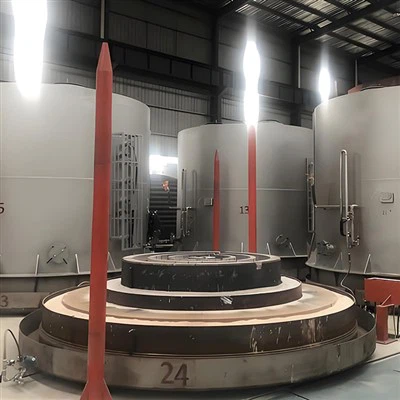
Gas-fired trolley furnaces are widely used in various industries for heat treatment processes such as annealing, normalizing, quenching, and tempering. These furnaces consist of a furnace chamber and a movable trolley that can be loaded with workpieces. The gas burners installed in the furnace provide the necessary heat to achieve the desired temperature for the heat treatment process.
The gas consumption of a gas-fired trolley furnace depends on several factors, including the furnace size, operating temperature, heating rate, insulation quality, and the type of gas used. Let's take a closer look at each of these factors.
Furnace Size
The size of the furnace is one of the primary factors that affect gas consumption. Larger furnaces require more gas to heat up and maintain the desired temperature compared to smaller ones. This is because a larger furnace has a greater volume of air and material to heat, which requires more energy input. When selecting a trolley furnace, it's important to choose a size that is appropriate for your production needs to avoid excessive gas consumption.
Operating Temperature
The operating temperature of the furnace is another critical factor that influences gas consumption. Higher temperatures require more energy to achieve and maintain, resulting in increased gas consumption. For example, a furnace operating at 1000°C will consume more gas than one operating at 600°C. It's essential to determine the optimal operating temperature for your heat treatment process to minimize gas consumption while still achieving the desired results.
Heating Rate
The heating rate, or the speed at which the furnace reaches the desired temperature, also affects gas consumption. A faster heating rate requires more gas to supply the additional energy needed to raise the temperature quickly. However, a slower heating rate may result in longer processing times, which can also increase overall energy consumption. Finding the right balance between heating rate and processing time is key to optimizing gas consumption.


Insulation Quality
The quality of the furnace insulation plays a significant role in reducing gas consumption. Good insulation helps to minimize heat loss from the furnace, allowing it to maintain the desired temperature with less energy input. Furnaces with high-quality insulation materials, such as ceramic fiber or refractory bricks, can significantly reduce gas consumption compared to those with poor insulation. When purchasing a trolley furnace, it's important to consider the insulation quality to ensure energy efficiency.
Type of Gas Used
The type of gas used in the furnace can also affect gas consumption. Different gases have different heating values, which determine the amount of energy they can release when burned. Natural gas is a commonly used fuel for gas-fired trolley furnaces due to its relatively high heating value and clean combustion. However, other gases such as propane or butane may also be used depending on availability and cost. It's important to choose a gas that is suitable for your furnace and production requirements to optimize gas consumption.
Calculating Gas Consumption
To estimate the gas consumption of a gas-fired trolley furnace, you can use the following formula:
Gas Consumption (m³/h) = (Heat Input Required (kJ/h)) / (Heating Value of Gas (kJ/m³))
The heat input required can be calculated based on the furnace size, operating temperature, heating rate, and the specific heat capacity of the material being heated. The heating value of the gas can be obtained from the gas supplier.
It's important to note that this is a simplified formula and actual gas consumption may vary depending on factors such as furnace efficiency, heat loss, and operating conditions. To get a more accurate estimate of gas consumption, it's recommended to consult with a furnace manufacturer or an energy expert.
Tips for Reducing Gas Consumption
Here are some tips to help you reduce gas consumption in your gas-fired trolley furnace:
- Regular Maintenance: Keep the furnace in good working condition by performing regular maintenance tasks such as cleaning the burners, checking the insulation, and calibrating the temperature controls. A well-maintained furnace operates more efficiently and consumes less gas.
- Optimize Operating Parameters: Adjust the operating temperature, heating rate, and processing time to find the optimal settings for your heat treatment process. This can help you minimize gas consumption while still achieving the desired results.
- Use High-Quality Insulation: Invest in a furnace with high-quality insulation materials to reduce heat loss and improve energy efficiency.
- Monitor Gas Consumption: Install a gas meter to monitor the gas consumption of your furnace. This can help you identify any abnormal consumption patterns and take corrective actions to reduce energy waste.
- Consider Energy Recovery Systems: Explore the use of energy recovery systems, such as waste heat recovery units, to capture and reuse the heat that would otherwise be lost from the furnace. This can significantly reduce gas consumption and operating costs.
Our Trolley Furnace Offerings
As a leading supplier of trolley furnaces, we offer a wide range of Car Furnace, Double Door Trolley Furnace, and Tumble Car Furnace to meet the diverse needs of our customers. Our furnaces are designed with energy efficiency in mind, featuring high-quality insulation materials and advanced burner technology to minimize gas consumption.
If you're interested in learning more about our trolley furnaces or have any questions regarding gas consumption, please don't hesitate to contact us. Our team of experts is ready to assist you in selecting the right furnace for your application and providing you with the support you need to optimize your energy usage.
Conclusion
Understanding the factors that influence gas consumption in gas-fired trolley furnaces is essential for achieving energy efficiency and cost savings. By considering factors such as furnace size, operating temperature, heating rate, insulation quality, and the type of gas used, you can make informed decisions to minimize gas consumption while still meeting your production requirements. At our company, we are committed to providing high-quality trolley furnaces that are designed to be energy-efficient and reliable. Contact us today to learn more about our products and how we can help you reduce your energy costs.
References
- ASM Handbook, Volume 4: Heat Treating. ASM International.
- Industrial Furnaces: Principles, Design, and Operation. John Wiley & Sons.
- Energy Efficiency in Industrial Furnaces. International Energy Agency.