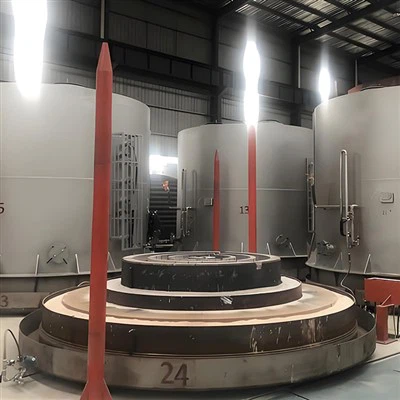
Oxidation is a critical factor that significantly impacts the performance and longevity of materials during the aging process in an aging furnace. As a reputable aging furnace supplier, we understand the complexities of how an aging furnace handles oxidation and the importance of effective strategies to mitigate its adverse effects. In this blog, we will delve into the science behind oxidation in aging furnaces, explore the mechanisms employed to manage it, and highlight the features of our aging furnaces that ensure optimal performance in the face of oxidation challenges.
Understanding Oxidation in Aging Furnaces
Oxidation is a chemical reaction that occurs when a material, typically a metal, reacts with oxygen in the presence of heat. In an aging furnace, the elevated temperatures accelerate this reaction, leading to the formation of metal oxides on the surface of the materials being aged. This process can have several detrimental effects, including:
- Surface Degradation: Oxidation can cause the surface of the material to become rough, pitted, or discolored, which can affect its appearance and functionality.
- Reduced Mechanical Properties: The formation of metal oxides can weaken the material, reducing its strength, ductility, and fatigue resistance.
- Corrosion: Oxidation can also lead to corrosion, which can further deteriorate the material over time.
The rate of oxidation depends on several factors, including the type of material, the temperature, the oxygen concentration, and the presence of other contaminants. Therefore, it is essential to carefully control these factors to minimize oxidation during the aging process.
Strategies for Handling Oxidation in Aging Furnaces
To effectively handle oxidation in aging furnaces, several strategies can be employed. These strategies aim to reduce the oxygen concentration in the furnace environment, protect the material from oxidation, and control the temperature and other process parameters. Some of the common strategies include:
- Inert Gas Atmosphere: One of the most effective ways to reduce oxidation is to use an inert gas atmosphere, such as nitrogen or argon, in the aging furnace. Inert gases do not react with the material, thereby preventing oxidation. Our aging furnaces are equipped with advanced gas control systems that allow for precise regulation of the inert gas atmosphere, ensuring optimal protection against oxidation.
- Coating and Surface Treatment: Another strategy is to apply a protective coating or surface treatment to the material before aging. These coatings can act as a barrier between the material and the oxygen in the furnace environment, reducing the rate of oxidation. We offer a range of coating and surface treatment options to meet the specific needs of our customers.
- Temperature Control: Controlling the temperature is crucial in minimizing oxidation. High temperatures can accelerate the oxidation reaction, while low temperatures can slow it down. Our aging furnaces are equipped with advanced temperature control systems that allow for precise regulation of the temperature, ensuring that the material is aged at the optimal temperature to minimize oxidation.
- Process Optimization: Optimizing the aging process can also help to reduce oxidation. This includes controlling the heating and cooling rates, the holding time, and the other process parameters. Our team of experts can work with you to optimize the aging process for your specific application, ensuring that the material is aged under the most favorable conditions to minimize oxidation.
Features of Our Aging Furnaces for Handling Oxidation
As an aging furnace supplier, we are committed to providing our customers with high-quality aging furnaces that are designed to effectively handle oxidation. Our aging furnaces are equipped with several features that ensure optimal performance in the face of oxidation challenges, including:
- Advanced Gas Control Systems: Our aging furnaces are equipped with advanced gas control systems that allow for precise regulation of the inert gas atmosphere. These systems ensure that the oxygen concentration in the furnace environment is kept at a minimum, thereby preventing oxidation.
- High-Quality Insulation: Our aging furnaces are designed with high-quality insulation materials that help to maintain a stable temperature and reduce heat loss. This not only improves the energy efficiency of the furnace but also helps to minimize oxidation by reducing the temperature fluctuations.
- Precise Temperature Control: Our aging furnaces are equipped with advanced temperature control systems that allow for precise regulation of the temperature. These systems ensure that the material is aged at the optimal temperature to minimize oxidation.
- Customizable Design: We offer a range of customizable aging furnaces to meet the specific needs of our customers. Our aging furnaces can be designed with different sizes, shapes, and configurations to accommodate different materials and applications. We also offer a range of optional features, such as automatic loading and unloading systems, to improve the efficiency and productivity of the aging process.
Types of Aging Furnaces We Offer
We offer a wide range of aging furnaces to meet the diverse needs of our customers. Some of the popular types of aging furnaces we offer include:
- Trolley Type Aluminum Alloy Aging Furnace: This type of aging furnace is designed for aging aluminum alloys. It features a trolley that can be used to load and unload the materials, making it easy to operate.
- Box Type Aging Furnace: This type of aging furnace is suitable for aging small to medium-sized parts. It features a box-shaped chamber that provides a uniform temperature distribution, ensuring consistent aging results.
- Aluminum Wire Aging Furnace: This type of aging furnace is specifically designed for aging aluminum wires. It features a continuous conveyor system that allows for the efficient aging of large quantities of aluminum wires.
Conclusion
Oxidation is a critical factor that can significantly impact the performance and longevity of materials during the aging process in an aging furnace. As an aging furnace supplier, we understand the importance of effective strategies to handle oxidation and ensure optimal performance of our aging furnaces. Our aging furnaces are equipped with advanced features and technologies that allow for precise control of the oxygen concentration, temperature, and other process parameters, minimizing oxidation and ensuring consistent aging results.


If you are looking for a reliable aging furnace supplier that can provide you with high-quality aging furnaces and effective solutions for handling oxidation, look no further. Contact us today to learn more about our products and services and to discuss your specific aging furnace requirements. We look forward to working with you to meet your aging furnace needs and help you achieve your production goals.
References
- ASM Handbook, Volume 4: Heat Treating. ASM International, 1991.
- Heat Treating Principles and Processes. L. C. Pilkey and D. F. Pilkey. Wiley, 2003.
- Metal Heat Treatment: Principles and Practice. G. E. Totten and M. A. Howes. CRC Press, 2006.