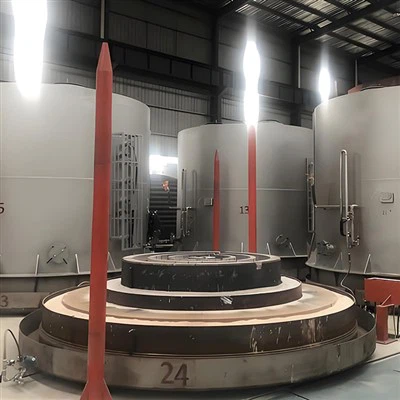
Loading and unloading materials in a trolley furnace are critical processes that significantly impact the efficiency, safety, and quality of heat treatment operations. As a seasoned trolley furnace supplier, I've witnessed firsthand the importance of these steps in ensuring smooth and successful production. In this blog, I'll share some valuable insights and best practices on how to load and unload materials in a trolley furnace effectively.

Understanding the Basics of Trolley Furnaces
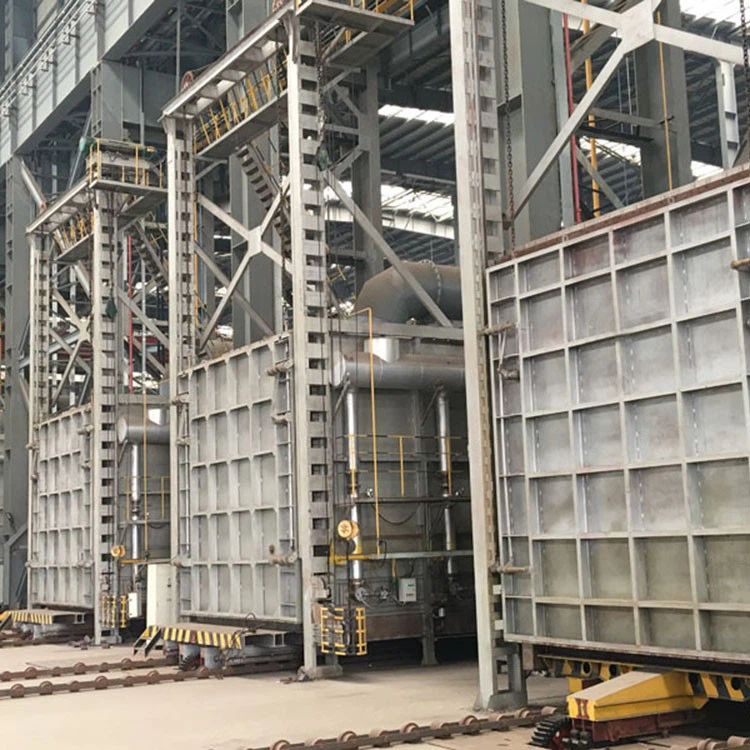
Before delving into the loading and unloading procedures, it's essential to have a basic understanding of trolley furnaces. Trolley furnaces are versatile industrial heating devices commonly used for heat treatment processes such as annealing, normalizing, quenching, and tempering. They consist of a stationary furnace body and a movable trolley that can be loaded with materials and inserted into the furnace for heating.
There are different types of trolley furnaces available in the market, each designed to meet specific application requirements. For instance, Large Trolley Furnace is suitable for handling large and heavy workpieces, while Car Furnace offers excellent temperature uniformity and energy efficiency. Trolley Type Forging Furnace is specifically designed for forging applications, providing high heating rates and precise temperature control.
Preparing for Loading
Proper preparation is key to a successful loading process. Here are some important steps to follow:
1. Inspect the Trolley and Furnace
Before loading any materials, thoroughly inspect the trolley and furnace for any signs of damage, wear, or malfunction. Check the trolley wheels, tracks, and drive system to ensure smooth movement. Inspect the furnace lining, heating elements, and temperature sensors to ensure they are in good working condition. Any issues should be addressed promptly to prevent accidents and ensure optimal performance.
2. Clean the Trolley and Furnace
Clean the trolley and furnace interior to remove any debris, scale, or contaminants. A clean environment helps prevent damage to the materials and ensures uniform heating. Use appropriate cleaning tools and methods, such as brushes, compressed air, or vacuum cleaners, to remove loose particles. Avoid using abrasive materials that could damage the furnace lining or heating elements.
3. Select the Right Loading Equipment
Choose the appropriate loading equipment based on the size, weight, and shape of the materials. Common loading equipment includes cranes, forklifts, hoists, and conveyors. Ensure that the loading equipment is in good working condition and has the necessary capacity to handle the materials safely. Use proper lifting techniques and secure the materials to prevent them from shifting or falling during loading.
4. Plan the Loading Pattern
Plan the loading pattern carefully to ensure efficient use of the furnace space and uniform heating. Consider the size, shape, and density of the materials, as well as the heating requirements. Arrange the materials in a way that allows for proper air circulation and heat transfer. Avoid overloading the furnace, as this can lead to uneven heating and poor quality results.
Loading the Materials
Once the preparation is complete, it's time to load the materials onto the trolley. Here are some guidelines to follow:
1. Position the Trolley
Position the trolley in front of the furnace at the correct height and alignment. Use the trolley drive system or manual controls to move the trolley into position. Ensure that the trolley is stable and securely locked in place before loading the materials.
2. Load the Materials
Use the selected loading equipment to transfer the materials onto the trolley. Start by loading the heaviest and largest materials first, placing them at the bottom and center of the trolley. Distribute the weight evenly to maintain balance and stability. Stack the materials neatly and securely, using appropriate spacers or supports to prevent them from touching each other. Leave sufficient space between the materials for air circulation and heat transfer.
3. Secure the Materials
Once the materials are loaded, secure them to the trolley using appropriate restraints, such as straps, chains, or clamps. This helps prevent the materials from shifting or falling during transportation and heating. Ensure that the restraints are tight enough to hold the materials in place but not so tight that they damage the materials.
4. Check the Loading Height
Check the loading height to ensure that it does not exceed the maximum allowable height of the furnace. Overloading the furnace can cause damage to the heating elements, furnace lining, and other components. If necessary, adjust the loading pattern or remove some materials to meet the height requirements.
Unloading the Materials
After the heat treatment process is complete, it's time to unload the materials from the furnace. Here are some steps to follow:
1. Allow the Furnace to Cool
Before unloading the materials, allow the furnace to cool down to a safe temperature. This helps prevent thermal shock and reduces the risk of burns or injuries. Follow the manufacturer's recommendations for cooling time and procedures.
2. Position the Trolley
Position the trolley in front of the furnace at the correct height and alignment. Use the trolley drive system or manual controls to move the trolley into position. Ensure that the trolley is stable and securely locked in place before unloading the materials.
3. Unload the Materials
Use the selected loading equipment to transfer the materials from the trolley to the storage area or next processing step. Start by removing the restraints and carefully lifting the materials off the trolley. Lower the materials slowly and gently to prevent damage. Stack the materials neatly and securely in the storage area, following the same guidelines as for loading.
4. Clean the Trolley and Furnace
After unloading the materials, clean the trolley and furnace interior to remove any debris, scale, or contaminants. This helps maintain the cleanliness and performance of the equipment. Use appropriate cleaning tools and methods, such as brushes, compressed air, or vacuum cleaners, to remove loose particles. Avoid using abrasive materials that could damage the furnace lining or heating elements.
Safety Considerations
Loading and unloading materials in a trolley furnace involve potential hazards, such as heavy lifting, high temperatures, and moving equipment. It's essential to follow strict safety procedures to prevent accidents and injuries. Here are some safety considerations to keep in mind:
1. Wear Personal Protective Equipment (PPE)
Always wear appropriate PPE, such as safety glasses, gloves, hard hats, and heat-resistant clothing, when working with trolley furnaces. PPE helps protect you from potential hazards, such as flying debris, hot surfaces, and burns.
2. Follow Proper Lifting Techniques
Use proper lifting techniques when handling heavy materials. Bend your knees, keep your back straight, and lift with your legs. Avoid lifting materials that are too heavy or awkward to handle. If necessary, use mechanical lifting equipment or ask for assistance.
3. Use Caution Around Moving Equipment
Be cautious when working around moving equipment, such as trolleys, cranes, forklifts, and conveyors. Keep a safe distance from the equipment and avoid standing in the path of moving parts. Follow the manufacturer's instructions and safety guidelines when operating the equipment.
4. Avoid Overloading the Furnace
Do not overload the furnace beyond its maximum capacity. Overloading can cause uneven heating, poor quality results, and damage to the furnace components. Follow the recommended loading guidelines and consult the furnace manufacturer if you have any questions or concerns.
5. Maintain a Clean and Organized Work Area
Keep the work area clean and organized to prevent tripping hazards and ensure easy access to equipment and materials. Remove any debris, tools, or equipment that are not in use. Store materials and supplies in designated areas to prevent clutter and confusion.
Conclusion
Loading and unloading materials in a trolley furnace are critical processes that require careful planning, preparation, and execution. By following the guidelines and best practices outlined in this blog, you can ensure efficient, safe, and high-quality heat treatment operations. Remember to always prioritize safety and consult the furnace manufacturer if you have any questions or concerns.
If you're in the market for a trolley furnace or need assistance with loading and unloading materials, we're here to help. As a leading trolley furnace supplier, we offer a wide range of high-quality furnaces and comprehensive support services. Contact us today to learn more about our products and how we can meet your specific needs.
References
- ASM Handbook, Volume 4: Heat Treating, ASM International, 1991.
- Industrial Furnaces: Principles, Design, and Operation, J. F. Kennedy, Butterworth-Heinemann, 1993.
- Heat Treatment Principles and Processes, L. H. Van Vlack, Addison-Wesley, 1981.