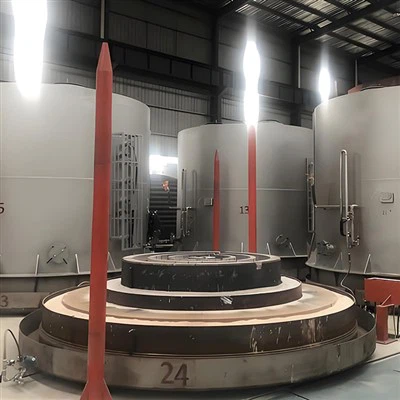
Hey there! As a supplier of annealing furnaces, I've seen firsthand how crucial fire prevention is in industrial settings. In this blog post, I'll share some essential fire - prevention measures for annealing furnaces that can help keep your operations safe.
Understanding the Fire Risks in Annealing Furnaces
Before we dive into the prevention measures, it's important to understand why annealing furnaces pose a fire risk. Annealing is a heat - treatment process that involves heating materials to a specific temperature and then cooling them slowly. During this process, high temperatures are reached, and there are often flammable materials involved, such as lubricants on the workpieces or combustible gases used for heating.
1. Proper Installation and Location
First off, the installation of the annealing furnace is key. Make sure it's installed in a well - ventilated area. Good ventilation helps to remove any flammable gases or vapors that might be produced during the annealing process. A poorly ventilated space can allow these gases to accumulate, increasing the risk of a fire.
Also, keep the furnace away from other flammable materials and structures. For example, don't place it near storage areas for solvents or wooden pallets. It's recommended to have a clear zone around the furnace, at least a few feet, to prevent any accidental ignition of nearby items.
2. Regular Maintenance
Regular maintenance is a must. This includes checking the heating elements, insulation, and gas lines (if applicable). Faulty heating elements can overheat and cause a fire. Inspect them for any signs of damage, such as cracks or breaks. If you notice any issues, replace the elements immediately.
The insulation of the furnace is also important. Damaged insulation can lead to heat leakage, which might ignite nearby flammable materials. Check the insulation regularly and repair or replace it as needed.
For gas - fired annealing furnaces, gas lines are a critical component. Look for any signs of gas leaks, such as a hissing sound or the smell of gas. A gas leak can quickly lead to a fire or explosion. If you suspect a leak, turn off the gas supply immediately and call a professional for repairs.
3. Operator Training
Well - trained operators are your first line of defense against fires. Make sure all employees who work with the annealing furnace are properly trained. They should know how to operate the furnace safely, including how to start and stop it correctly.
Operators should also be trained to recognize the signs of a potential fire, such as unusual smells, smoke, or abnormal temperature readings. In case of an emergency, they need to know the proper evacuation procedures and how to use fire - fighting equipment, like fire extinguishers.
4. Fire - Fighting Equipment
Having the right fire - fighting equipment on hand is essential. Install fire extinguishers near the annealing furnace. The type of extinguisher you choose depends on the type of fire that could occur. For annealing furnaces, dry chemical extinguishers are often a good choice, as they can handle fires involving flammable liquids, gases, and electrical equipment.
In addition to fire extinguishers, consider installing a sprinkler system. Sprinklers can quickly suppress a fire and prevent it from spreading. However, make sure the sprinkler system is compatible with the furnace and the materials being annealed.
5. Monitoring Systems
Invest in monitoring systems to keep an eye on the furnace's operation. Temperature sensors can help you detect if the furnace is overheating. If the temperature exceeds a safe level, an alarm can be triggered, allowing operators to take action before a fire breaks out.


Gas sensors are also useful, especially for gas - fired furnaces. They can detect the presence of flammable gases in the air and alert you if there's a leak.
6. Use of Fire - Resistant Materials
When possible, use fire - resistant materials in the construction and operation of the annealing furnace. For example, choose fire - resistant insulation materials. These materials can withstand high temperatures and reduce the risk of heat transfer to nearby areas.
Also, use fire - resistant containers for storing any flammable materials that are used in the annealing process, such as lubricants.
Our Annealing Furnace Offerings
As an annealing furnace supplier, we offer a range of high - quality furnaces, including the Rapid Annealing Furnace, Aluminum Annealing Furnace, and Bell Type Annealing Furnace. Our furnaces are designed with safety in mind, incorporating many of these fire - prevention features.
Conclusion
Fire prevention in annealing furnaces is a multi - faceted task that requires proper installation, regular maintenance, operator training, and the use of appropriate safety equipment. By following these measures, you can significantly reduce the risk of fires in your industrial operations.
If you're in the market for an annealing furnace or want to learn more about our products and how they can enhance your safety, don't hesitate to reach out to us. We're here to help you make the best choice for your business.
References
- Industrial Fire Safety Handbook
- National Fire Protection Association (NFPA) Standards for Heat - Treating Equipment