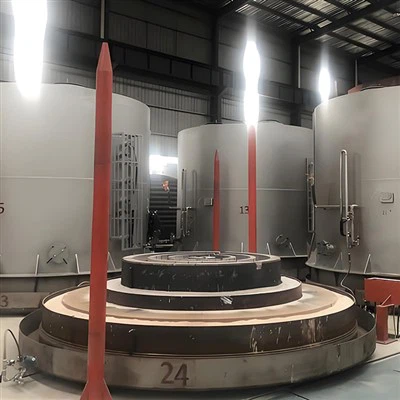
Transportation of a trolley furnace is a complex and critical process that requires careful planning and execution. As a professional trolley furnace supplier with years of experience in the industry, I understand the significance of proper transportation precautions to ensure the safe and timely delivery of these valuable and often large - scale pieces of equipment. In this blog, I will share some essential transportation precautions for trolley furnaces.
1. Pre - transportation Inspection
Before the trolley furnace is loaded onto the transport vehicle, a comprehensive inspection must be carried out. This inspection includes checking the structural integrity of the furnace. Look for any signs of damage, such as cracks in the furnace body, loose joints, or bent components. For example, the frame of the trolley furnace should be straight and free from any deformation that could affect its stability during transportation.
Inspect the electrical and control systems as well. Ensure that all wiring is securely connected and protected. Loose wires can not only cause malfunctions but also pose a safety hazard during transit. The control panels should be properly sealed to prevent dust and moisture from entering.
The heating elements are another crucial part to check. These elements are often fragile and can be easily damaged. Make sure they are firmly fixed in place and there are no signs of breakage or over - heating. Any damaged heating elements should be replaced before transportation.
2. Packaging
Proper packaging is vital to protect the trolley furnace during transportation. For the furnace body, use high - quality protective materials such as thick foam or rubber padding. This padding can absorb shocks and vibrations during transit, reducing the risk of damage to the furnace's exterior and internal components.
For the electrical components and control panels, they should be individually wrapped in anti - static bags to prevent electrostatic damage. Then, place them in a sturdy box filled with shock - absorbing materials like bubble wrap.
If the trolley furnace has removable parts, such as the trolley itself, it should be disassembled carefully. Each part should be labeled clearly to ensure easy reassembly at the destination. The disassembled parts should be packed separately in suitable containers, and their connection points should be protected to avoid scratches or damage.
3. Loading
Loading the trolley furnace onto the transport vehicle is a delicate operation. First, choose an appropriate vehicle based on the size and weight of the furnace. A flatbed truck is often a good choice for trolley furnaces, as it provides a stable platform for loading and transportation.


Use proper lifting equipment, such as cranes or forklifts, to lift the furnace. The lifting points should be carefully selected according to the furnace's design. These points are usually marked on the furnace body. Make sure the lifting equipment is in good working condition and operated by trained professionals.
During the loading process, the furnace should be placed on the truck in a stable and balanced manner. Secure it firmly to the truck using straps or chains. The straps should be tightened evenly to prevent the furnace from shifting during transportation. For example, if the furnace is not properly secured, it could move during sudden stops or turns, causing damage to the furnace and potentially endangering the safety of the driver and other road users.
4. Route Planning
When transporting a trolley furnace, route planning is essential. Consider the size and weight of the furnace when choosing the route. Avoid roads with low bridges, narrow passages, or weight - restricted areas. Check the road conditions in advance, including the presence of potholes, construction sites, or steep slopes.
It is also important to consider the traffic conditions. Try to avoid peak traffic hours to reduce the risk of delays and potential accidents. Use mapping software or consult local transportation authorities to get the most suitable route information.
In addition, plan for rest stops along the way. Long - distance transportation can be tiring for the driver, and regular rest stops are necessary to ensure the driver's safety and the integrity of the load.
5. Weather Considerations
Weather can have a significant impact on the transportation of a trolley furnace. In rainy or snowy weather, the furnace should be covered with waterproof tarps to prevent water from entering the furnace and causing damage to the electrical and mechanical components.
High - temperature weather can also be a concern. If the furnace is exposed to direct sunlight for a long time, it may cause over - heating of the internal components. In such cases, try to schedule the transportation during cooler parts of the day or use sunshades to protect the furnace.
Strong winds can also pose a risk, especially when transporting large - sized trolley furnaces. If the wind speed is too high, it may affect the stability of the furnace on the truck. In extreme weather conditions, it may be necessary to delay the transportation until the weather improves.
6. Monitoring During Transportation
During the transportation process, it is important to monitor the condition of the trolley furnace. Use tracking devices to keep an eye on the location of the truck and the status of the load. Some advanced tracking devices can also monitor factors such as temperature, humidity, and vibration inside the load area.
Regular communication with the driver is also necessary. The driver should report any abnormal situations immediately, such as unusual noises, vibrations, or signs of damage. If any problems are detected, appropriate measures should be taken promptly, such as stopping the truck and inspecting the load.
7. Unloading and Installation
Once the trolley furnace arrives at the destination, the unloading process should be carried out with the same care as the loading process. Use the same proper lifting equipment and follow the correct procedures.
After unloading, the furnace should be installed according to the manufacturer's instructions. This includes reassembling the disassembled parts, connecting the electrical and control systems, and calibrating the heating elements. Professional technicians should be involved in the installation process to ensure the proper functioning of the furnace.
As a trolley furnace supplier, we offer a variety of high - quality trolley furnaces, such as High Temperature Trolley Furnace, Segmented Bogie Furnace, and Trolley Type Heat Treatment Furnace. We take great pride in providing not only top - notch products but also comprehensive transportation and installation services.
If you are interested in our trolley furnaces or need more information about their transportation and installation, please feel free to contact us for procurement discussions. We are committed to meeting your specific requirements and providing you with the best solutions.
References
- Industry standards and guidelines for industrial furnace transportation.
- Manufacturer's manuals for trolley furnaces.
- Professional literature on heavy - equipment transportation.