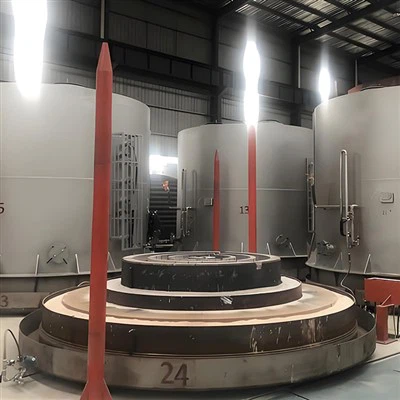
When it comes to installing an aging furnace, one of the often-overlooked yet critical aspects is the floor structure. As a seasoned aging furnace supplier, I've witnessed firsthand how the right floor setup can significantly impact the performance, safety, and longevity of the equipment. In this blog, I'll delve into the essential requirements for the floor structure when installing an aging furnace.
Load - Bearing Capacity
The aging furnace is a heavy piece of equipment. Depending on its size, type, and the materials it processes, it can exert a substantial amount of weight on the floor. Before installation, it's crucial to determine the total weight of the aging furnace, including its contents during operation. This weight includes the furnace body, heating elements, any internal fixtures, and the maximum load of the workpieces it can accommodate.
For instance, a large - scale Trolley Type Aluminum Alloy Aging Furnace with a high - capacity trolley can be quite heavy. The floor needs to be able to support this weight without any signs of deformation or cracking. Structural engineers can perform load - bearing calculations to assess whether the existing floor can handle the load. If not, reinforcement measures such as adding steel beams or increasing the thickness of the concrete slab may be necessary.
Flatness
A flat floor is essential for the proper installation and operation of an aging furnace. Any unevenness in the floor can lead to misalignment of the furnace components, which can cause problems such as uneven heating, increased wear and tear on the moving parts, and even safety hazards.
During the installation process, the floor should be checked for flatness using precision leveling tools. The allowable deviation in flatness typically depends on the specific requirements of the aging furnace model. For most aging furnaces, the floor should be within a tolerance of a few millimeters over a large area. If the floor is not flat, it may need to be ground or leveled using self - leveling compounds to ensure a stable base for the furnace.
Thermal Resistance
Aging furnaces generate a significant amount of heat during operation. The floor beneath the furnace must have adequate thermal resistance to prevent heat transfer to the underlying structure. This not only protects the building's foundation but also helps to improve the energy efficiency of the furnace.
Concrete is a commonly used flooring material for aging furnace installations due to its relatively high thermal resistance. However, in some cases, additional insulation may be required. For example, installing a layer of ceramic fiber insulation or refractory bricks between the furnace and the floor can further reduce heat loss and protect the floor from excessive heat. This is especially important for Pit Type Aluminum Alloy Aging Furnace, where the furnace is partially or fully embedded in the floor.
Chemical Resistance
In some industrial processes, aging furnaces may be used to treat materials that release corrosive chemicals or gases. The floor should be able to withstand these chemicals to prevent damage and deterioration.
Epoxy coatings are often applied to concrete floors to provide chemical resistance. These coatings can protect the floor from acids, alkalis, and other corrosive substances. The choice of coating depends on the specific chemicals that the furnace may be exposed to. For example, if the aging furnace is used for treating aluminum wires in a process that involves acidic solutions, a coating with high acid resistance should be selected. Aluminum Wire Aging Furnace installations may require such chemical - resistant floors to ensure the longevity of the floor and the safety of the working environment.
Vibration Isolation
Some aging furnaces, especially those with moving parts such as fans or trolleys, can generate vibrations during operation. These vibrations can be transmitted to the floor and the surrounding structure, causing noise and potentially damaging the building.
To minimize the impact of vibrations, vibration isolation measures should be implemented. This can include using vibration - isolating pads or mounts between the furnace and the floor. These pads are typically made of rubber or other elastic materials that can absorb and dampen the vibrations. Additionally, the floor design can incorporate features such as floating floors or isolation trenches to further reduce the transmission of vibrations.
Drainage
In certain applications, there may be a need for drainage around the aging furnace. For example, if the furnace is used in a process that involves the use of water - based quenching or cleaning operations, proper drainage is essential to prevent water accumulation on the floor.
The floor should be sloped towards a drainage system, such as floor drains or channels. The drainage system should be designed to handle the volume of water that may be generated during the furnace operation. It's also important to ensure that the drainage system is properly maintained to prevent clogging, which could lead to water pooling around the furnace.
Fire Resistance
Aging furnaces pose a fire risk due to the high temperatures involved. The floor should have good fire - resistant properties to prevent the spread of fire in case of an accident.
Concrete floors are inherently fire - resistant to a certain extent. However, additional fire - resistant treatments may be applied to enhance the floor's fire - safety performance. Fire - resistant coatings or fire - rated insulation can be used to protect the floor and prevent it from becoming a pathway for fire spread. Building codes and regulations often specify the minimum fire - resistance requirements for floors in areas where aging furnaces are installed.
Compatibility with Furnace Movement
Some aging furnaces, such as those with movable trolleys or doors, require a floor that is compatible with their movement. The floor surface should be smooth enough to allow for easy movement of the trolleys without excessive friction. At the same time, it should be durable enough to withstand the repeated movement and wear.


For example, if the aging furnace has a trolley that moves in and out frequently, the floor should be made of a material that can resist abrasion. Hard - wearing concrete or specialized industrial flooring materials can be used to ensure the smooth operation of the trolley and the longevity of the floor.
Maintenance and Accessibility
The floor structure should also be designed with maintenance and accessibility in mind. There should be sufficient space around the furnace for maintenance personnel to access all the components for inspection, repair, and replacement.
The floor should be easy to clean to prevent the accumulation of dust, debris, and chemicals. If there are any embedded pipes or cables beneath the floor, they should be accessible for maintenance and repair without causing significant damage to the floor.
In conclusion, the floor structure requirements for installing an aging furnace are complex and multifaceted. As an aging furnace supplier, I always emphasize the importance of addressing these requirements during the installation process. A well - designed and properly installed floor can ensure the safe, efficient, and long - term operation of the aging furnace.
If you are considering purchasing an aging furnace and need more information about the installation requirements or have any other questions, I encourage you to contact us for a detailed discussion. Our team of experts is ready to assist you in making the right decisions for your specific needs.
References
- "Industrial Furnace Handbook: Principles, Design, and Operation"
- "Building Construction and Design Standards for Industrial Facilities"
- Technical specifications provided by aging furnace manufacturers